
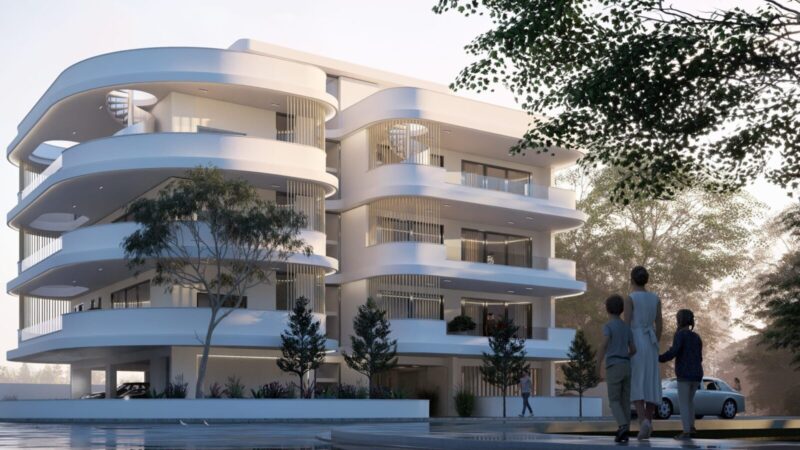
Did you know that real estate appraisers often say buyers subconsciously decide whether a home feels “luxury” within the first 90 seconds of walking inside?
That reaction rarely comes from square footage alone. It comes from subtle signals. The way doors close. The alignment of surfaces. The quiet confidence of materials that do not need to announce themselves.
Luxury home build quality is not about excess. It is about consistency, restraint, and precision.
Premium residences reveal themselves through dozens of small decisions that most people cannot name but immediately feel.
This guide walks through those details in a practical, field-guide format, helping you recognize what truly separates a high-end build from a home that only looks expensive on the surface.
Precision in Structural Planning and Execution
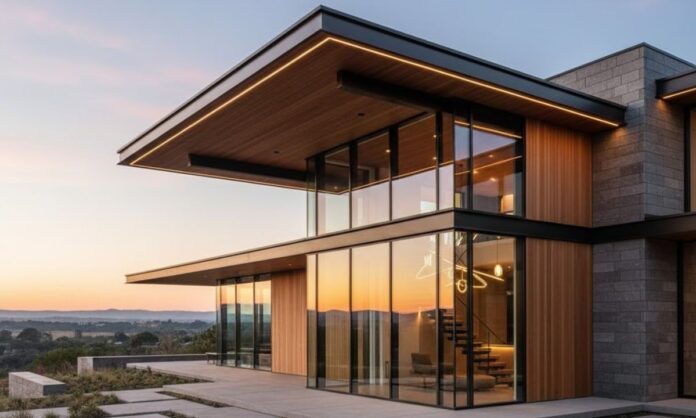
Before finishes, fixtures, or styling come into play, true luxury starts at the structural level. Premium homes are designed with foresight, not just compliance.
Load paths are clean, spans are intentional, and spaces feel calm because the structure is doing its job quietly in the background.
In well-executed luxury builds, walls line up vertically across floors, ceiling heights remain consistent where intended, and transitions feel deliberate rather than improvised.
These choices reduce long-term stress on the structure and prevent visible imperfections from emerging years later.
Key indicators of strong structural quality include:
- Consistent ceiling heights across connected spaces without awkward drops.
- Clean transitions between materials without visible filler or patchwork.
- Straight lines that remain true over long distances, especially in hallways and stair runs.
These details rarely draw attention to themselves, but their absence is immediately noticeable.
Material Selection That Prioritizes Longevity Over Trend
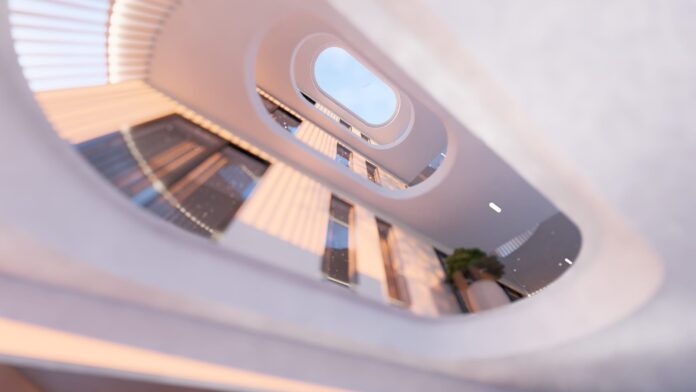
Luxury materials are chosen for how they age, not how they photograph on day one. Premium residences favor finishes that develop character rather than wear.
Natural stone, engineered hardwood, solid metal fixtures, and high-grade plaster are common because they hold integrity under daily use.
In many high-end custom homes, builders collaborate closely with specialists and design-build teams like foliahomes.com, where material selection is treated as part of the structural strategy rather than a decorative afterthought.
When materials are specified early and integrated into the construction plan, tolerances tighten and finishes sit correctly for decades.
A simple comparison highlights the difference:
| Element | Standard Build Choice | Luxury Build Choice |
| Flooring | Laminate or thin veneer | Solid or engineered hardwood |
| Countertops | Entry-level quartz | Natural stone or premium composite |
| Hardware | Hollow metal | Solid brass or stainless steel |
The result is not visual excess, but quiet confidence in every surface.
Craftsmanship in Joinery and Finish Work
Joinery is one of the clearest tells of luxury build quality. Cabinets align perfectly. Drawers glide without sound. Doors sit flush, with even reveals on all sides.
These details require time, skill, and refusal to rush final installation.
Premium residences avoid filler solutions. Trim is cut precisely.
Corners meet cleanly. Paint lines are crisp without tape bleed or waviness.
Even areas that are rarely seen, like the interior of closets or utility spaces, receive the same attention.
Look for craftsmanship clues such as:
- Uniform gaps between cabinet doors and drawer fronts.
- Trim that meets without caulk-heavy corners.
- Hardware that feels weighty and stable in use.
These elements signal pride in execution, not just compliance with a checklist.
Acoustic Control and Sound Management
Luxury homes often feel quieter, even in urban or family-heavy settings. That calm comes from intentional acoustic planning. Wall assemblies are layered. Floors are isolated. Mechanical systems are decoupled from living spaces.
Sound control is rarely visible, which is why it is often overlooked in mid-range construction. In premium builds, it is a core comfort feature. Doors close with a soft, solid sound rather than a hollow echo. Footsteps do not transfer sharply between floors.
Did you know?
Studies in residential design show that perceived sound quality significantly impacts how people rate home comfort, often more than lighting or temperature.
Effective sound management typically includes:
- Solid core interior doors.
- Insulation beyond minimum code requirements.
- Thoughtful placement of mechanical rooms away from bedrooms.
Mechanical Systems Designed for Consistency
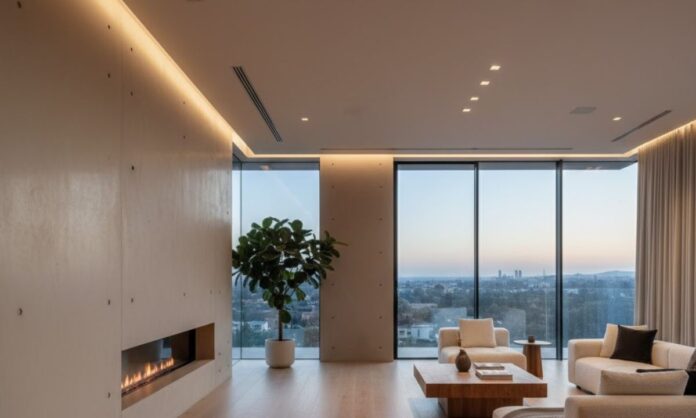
Heating, cooling, and ventilation systems quietly define daily comfort. In luxury homes, these systems are zoned, balanced, and designed around actual living patterns rather than generic square footage calculations.
Air flows evenly. Temperatures remain stable. There are no rooms that are always too hot or too cold. Controls are intuitive, often integrated discreetly rather than displayed as a wall of gadgets.
A premium mechanical setup usually reflects:
- Separate zones for sleeping and living areas.
- Oversized ducting for quieter operation.
- Vent placement that avoids drafts and noise.
These decisions are rarely glamorous, but they shape how a home feels every single day.
Electrical and Lighting Execution Beyond Aesthetics
Lighting in a luxury residence is layered, not decorative. General illumination, task lighting, and accent lighting work together without calling attention to fixtures themselves. Switches are placed logically, often grouped cleanly rather than scattered.
Electrical planning in premium builds anticipates future needs. Panels have capacity. Conduits allow upgrades without demolition. Outlets appear where they are actually useful, not where code minimums allow.
A well-planned lighting and electrical system often includes:
- Dimmers that adjust smoothly without flicker.
- Recessed fixtures aligned symmetrically with architecture.
- Hidden power solutions for modern living, such as integrated charging areas.
The home feels intuitive because the infrastructure supports daily behavior.
Window and Door Systems That Feel Solid and Balanced
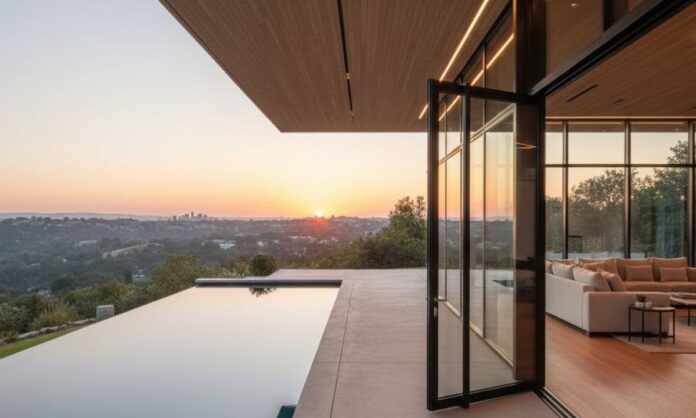
Windows and doors are among the most tactile elements in a home. In luxury builds, they operate with weight and balance. Frames are rigid. Seals are tight. Hardware feels engineered rather than decorative.
Premium residences invest in window systems that improve thermal performance and reduce noise while maintaining slim profiles. Doors close fully without slamming or resistance, reinforcing the sense of quality through touch.
Common indicators include:
- Multi-point locking systems.
- Minimal frame deflection on large openings.
- Consistent alignment across multiple panels.
These features contribute to both comfort and long-term durability.
Final Thoughts
Luxury home build quality is cumulative. No single feature defines it. Instead, it emerges from hundreds of aligned decisions that prioritize longevity, comfort, and restraint over short-term impact.
A premium residence feels calm, solid, and intentional. Doors close quietly. Spaces flow naturally. Materials age well. These qualities cannot be added later with furniture or décor. They are built in from the beginning.
When evaluating or planning a high-end home, focus less on what stands out and more on what quietly works. That is where true luxury lives.