When your air conditioner stops cooling properly, it’s more than just uncomfortable; it can quickly turn your home into an unbearable space, especially during peak summer months.
The good news? Most AC cooling issues come down to a handful of common causes. Some are quick fixes, while others may need professional attention.
In this guide, we’ll break down 7 of the most common reasons your AC isn’t cooling — and what you can do about each one.
1. Dirty or Clogged Air Filter
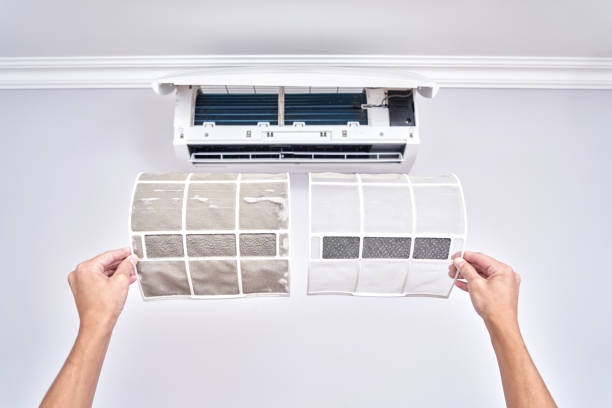
The problem: A clogged air filter restricts airflow, making it harder for your system to circulate cool air.
Signs to look for:
- Weak airflow from vents
- AC running longer than usual
- Rooms not cooling evenly.
The fix: Replace your air filter every 1–3 months, depending on usage and household conditions (pets, dust, etc.).
This is one of the easiest and most overlooked fixes — and often solves the issue immediately.
2. Thermostat Issues
The problem: Sometimes the issue isn’t your AC — it’s your thermostat.
Common causes:
- Incorrect settings (set to “fan” instead of “cool”)
- Dead batteries
- Faulty or outdated thermostat.
The fix:
- Double-check your settings
- Replace batteries
- Upgrade to a programmable or smart thermostat if needed.
3. Refrigerant Leak
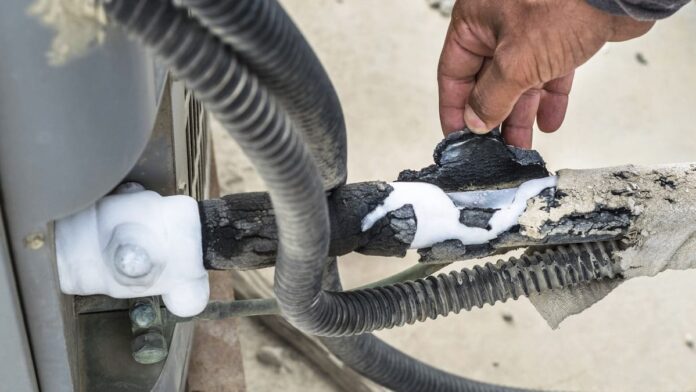
The problem: Refrigerant is what your AC uses to remove heat from the air. If levels are low due to a leak, your system can’t cool effectively.
Signs to look for:
- Warm air blowing from vents
- Ice forming on the unit
- Hissing or bubbling noises.
The fix: This is not a DIY repair. A licensed technician needs to locate the leak, fix it, and recharge the system.
If you suspect this issue, it’s best to contact a professional for AC Repair to diagnose and fix the problem safely.
Safety Comes Before Savings
Solar systems are designed to produce energy efficiently, but that efficiency depends on proper integration.
Poorly prepared electrical systems can create:
- Backfeeding risks
- Overloaded breakers
- Improper grounding
- Surge vulnerability
- Code compliance issues.
That’s why licensed electricians must evaluate a home’s system before renewable systems are installed.
Electrical upgrades aren’t flashy. They don’t sit visibly on your roof. But they determine whether your renewable investment performs safely for decades.
4. Frozen Evaporator Coil
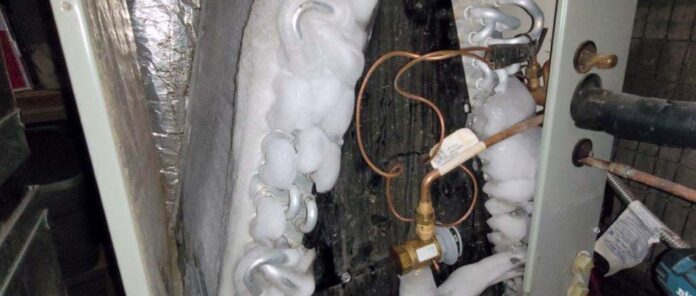
The problem: Your evaporator coil can freeze when airflow is restricted or refrigerant levels are off.
Signs to look for:
- Ice buildup on indoor unit
- AC blowing warm air
- System shutting down unexpectedly.
The fix:
- Turn off the system and let it thaw
- Check and replace air filters
- Ensure vents are open and unobstructed.
If it keeps happening, there’s likely a deeper issue that needs professional repair.
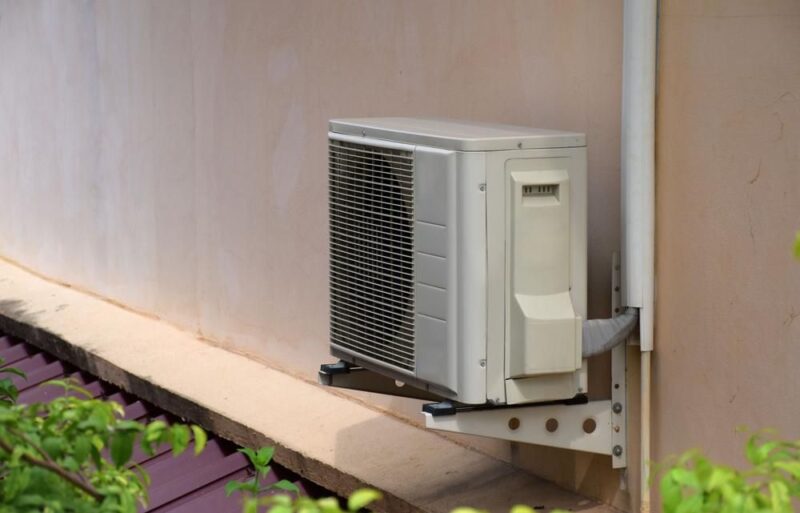
5. Dirty or Blocked Condenser Unit
The problem: Your outdoor unit releases heat from your home. If it’s covered in dirt, leaves, or debris, it can’t do its job properly.
Signs to look for:
- AC running constantly
- Poor cooling performance
- Higher energy bills.
The fix:
- Turn off power to the unit
- Gently clean debris from around it
- Hose down the fins (carefully).
Keep at least 2 feet of clear space around your outdoor unit for proper airflow.
6. Electrical or Capacitor Issues
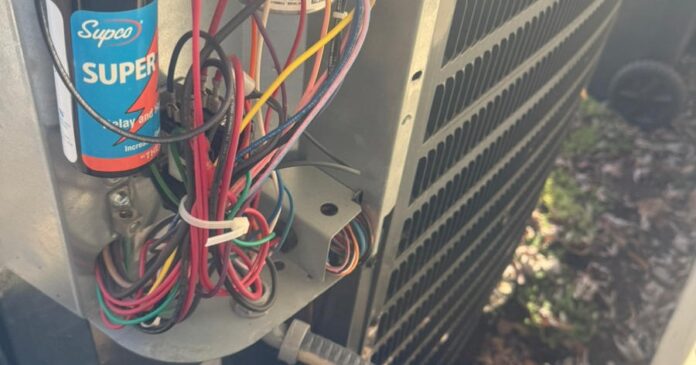
The problem: Your AC relies on electrical components to start and run. A faulty capacitor or wiring issue can prevent proper operation.
Signs to look for:
- AC won’t turn on
- Clicking noises
- The system starts but shuts off quickly.
The fix: Electrical issues should always be handled by a qualified technician to avoid safety risks.
7. Undersized or Aging System
The problem: If your AC unit is too small for your home — or simply too old — it may struggle to keep up.
Signs to look for:
- Constant running without reaching set temperature
- Uneven cooling
- System over 10–15 years old.
The fix:
- Consider upgrading to a properly sized, energy-efficient system
- Have a professional perform a load calculation for your home.
When Should You Call a Professional?

While some AC issues can be fixed with basic maintenance, others require a trained eye — and attempting to fix them yourself can sometimes make the problem worse.
Here are the key situations where it’s best to call in a professional AC service technician:
Your AC Is Blowing Warm Air
If your system is running but only pushing out warm or room-temperature air, it’s a clear sign something isn’t working properly. This could be due to low refrigerant, a failing compressor, or airflow issues deeper within the system.
If adjusting the thermostat and replacing the air filter doesn’t solve it, it’s time for a proper diagnosis.
You Suspect a Refrigerant Leak
Refrigerant isn’t something that gets “used up”, so if levels are low, there’s likely a leak somewhere in the system.
Signs include:
- Hissing or gurgling sounds
- Ice forming on the unit
- Reduced cooling performance
Refrigerant handling requires certification, and leaks must be repaired properly to avoid ongoing damage and inefficiency.
The System Keeps Freezing Up
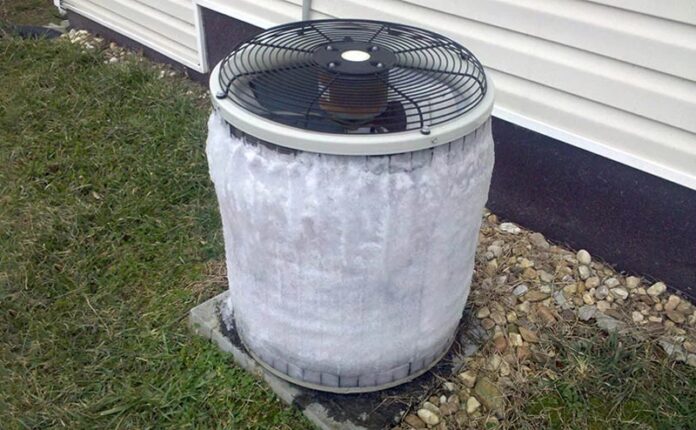
If you’re repeatedly seeing ice on your indoor or outdoor unit, there’s an underlying issue — often related to airflow restrictions or refrigerant imbalance.
While you can thaw the system temporarily by turning it off, repeated freezing is a warning sign that shouldn’t be ignored. Left unresolved, it can damage major components like the compressor.
Your Energy Bills Are Rising Unexpectedly
A sudden spike in your energy bills without a change in usage often means your AC system is working harder than it should.
This could be caused by:
- Dirty coils
- Failing components
- Leaks or inefficiencies.
A professional inspection can pinpoint the issue and restore efficiency, saving you money long term.
Your AC Cycles On and Off Constantly
Short cycling (frequent starting and stopping) puts extra strain on your system and reduces its lifespan.
This may be caused by:
- Thermostat issues
- Electrical faults
- An improperly sized unit.
This isn’t something to ignore; it can quickly lead to bigger, more expensive failures.
You Notice Strange Noises or Smells
Unusual sounds like grinding, banging, or screeching — and smells like burning or mustiness — can indicate serious internal issues.
These could point to:
- Loose or broken components
- Electrical problems
- Mold or moisture buildup.
In these cases, turning the system off and calling a professional is the safest move.
How to Prevent AC Cooling Problems
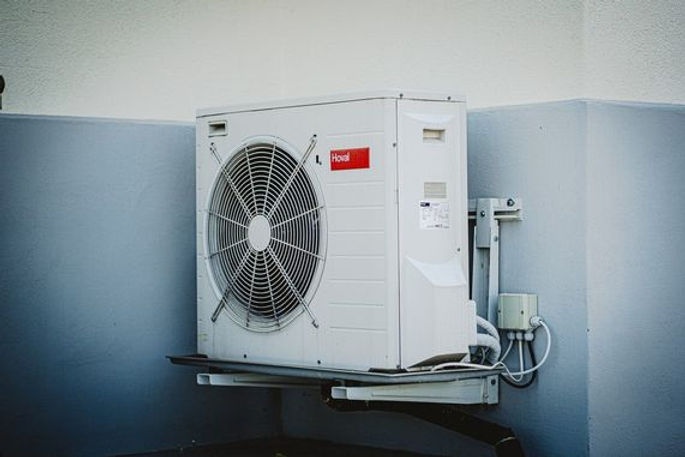
The best way to deal with AC issues is to stop them from happening in the first place. A little routine maintenance can go a long way in keeping your system efficient, reliable, and long-lasting.
Here’s how to stay ahead of common cooling problems:
- Change air filters regularly
- Schedule annual HVAC maintenance
- Keep vents clean and unblocked
- Clear debris around outdoor units
- Check thermostat settings periodically.
Keep Your Cool
If your air conditioner isn’t cooling, don’t panic. Many issues are simple to fix, but the key is identifying the cause early.
By staying proactive and addressing small problems before they escalate, you can keep your home cool, comfortable, and energy-efficient all summer long.