
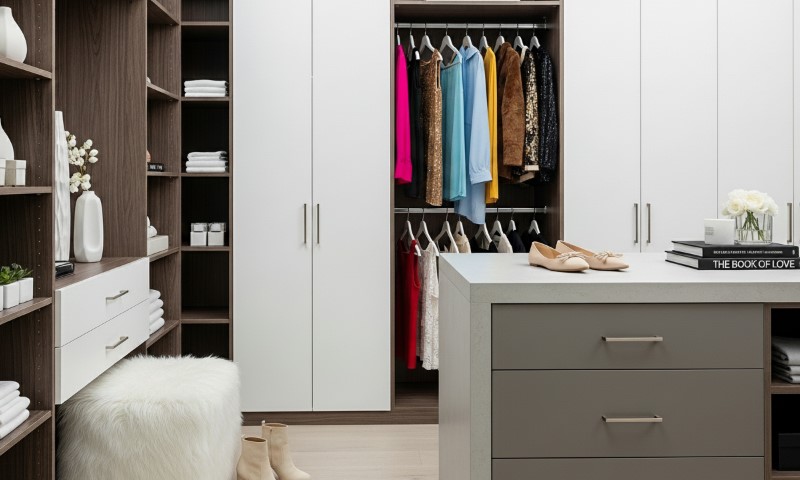
Modern buyers care less about size alone and more about how a home functions day to day.
Practical kitchens, strong storage, natural light, flexible layouts, comfort features, and efficient systems now shape buyer interest more than sheer square footage.
That shift is easy to understand. Nearly 4 in 10 buyers say they would accept a smaller lot, and 35% say they would accept a smaller house to achieve homeownership. As a result, interior function matters more than ever.
Buyers want homes that feel ready to live in now, not homes that require major upgrades after closing.
With that in mind, let us discuss the interior features modern buyers are interested in.
Kitchens Still Matter Most, but Practicality Matters More Than Flash
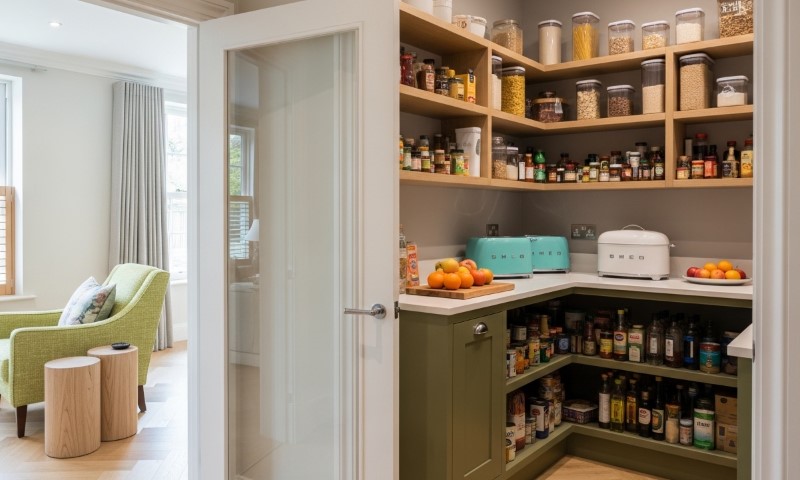
Kitchens remain one of the most influential spaces in any home, yet buyer expectations have shifted in a clear direction.
Visual polish still matters, especially in listing photos and showings, but strong looks no longer carry a kitchen on their own.
Buyers want a space that supports cooking, cleanup, storage, casual meals, and time together without feeling cramped or inefficient.
A polished kitchen still helps create a strong first impression, but people are often interested in asking a more practical question. Can daily life happen here with ease?
Several kitchen details continue to rise to the top because they make a visible difference in how the space works:
| Feature | Value |
| Walk-in pantries | Add storage without crowding the kitchen. |
| Table space for eating | Supports casual meals and daily use. |
| Central islands | Add prep space, seating, and gathering room. |
| Double sinks | Make cleanup easier in busy households. |
| Pull-out shelving | Improves access and organization. |
| Natural-stone-style counters | Offer a durable, current finish. |
Buyers are drawn to kitchens that look ready for actual use.
A kitchen that stores more, cleans up easily, and gives people room to move tends to feel more valuable right away.
One data point that makes it especially clear is that homes with quartzite countertops sell for 5.2% more than similar homes without them.
That premium suggests buyers are willing to pay more for surfaces that feel current and built to last.
Materials like quartzite signal long-term usefulness, and those who are interested will certainly notice that.
Storage and Utility Spaces Have Become Must-Haves
Storage has moved well past bonus status. For many buyers, it now shapes how livable a home feels on day one.
Lack of storage creates stress almost immediately because clutter has to land somewhere. That is why storage-rich interiors feel more complete and more manageable.
Daily life comes with more stuff than many floor plans used to accommodate.
Laundry supplies, coats, shoes, cleaning tools, sports gear, pantry overflow, seasonal items, pet supplies, and household extras all need a place.
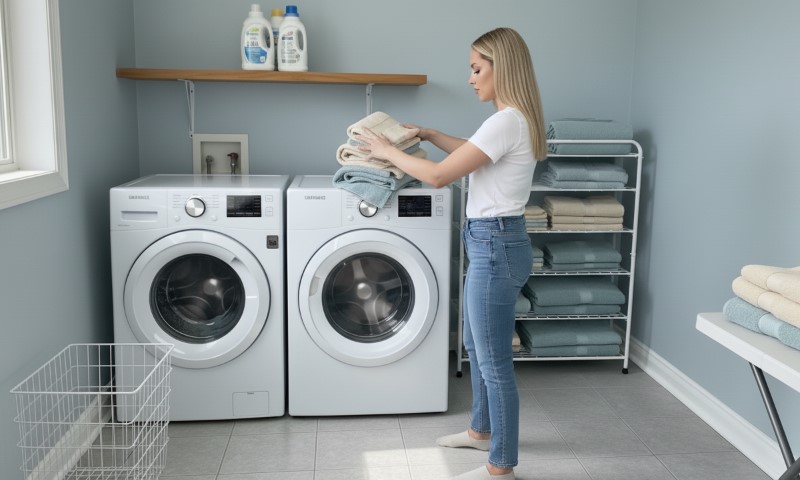
Dedicated laundry rooms rank highly because they keep chores contained in one area instead of spreading them into hallways, closets, or garages.
Garage storage adds another practical layer by giving buyers space for tools, bins, equipment, and overflow that would otherwise create a visible mess indoors.
Buyer demand becomes even clearer when the numbers are laid out directly:
- 87% of buyers rated a laundry room as essential or desirable.
- 85% of buyers also rated garage storage as essential or desirable.
- Walk-in pantries landed in 80% plus range.
Figures like those show that buyers do not separate storage and function into minor categories. Instead, they treat those features as part of the core package that makes a home feel workable.
Flexible Layouts Beat One-Size-Fits-All Open Plans
Open-concept design shaped buyer preferences for years, but priorities have shifted.
Large shared spaces still have value, especially in homes built for gathering, yet many buyers no longer want every activity taking place in one uninterrupted room.
More households now want layouts that create choice. Choice in how space is used. Choice in privacy. Choice in how rooms adapt as routines change over time.
A single large common area can look spacious, but it can also create friction when several people are at home at once.
One person may be working, another may be relaxing, another may be cooking, and someone else may want quiet. In that setting, complete openness can start to feel limiting rather than helpful.
Buyers are showing stronger interest in homes that give household members space to spread out without feeling disconnected, a priority that also aligns with the intelligent layouts promoted by Elythera Investments.
Rooms that can take on more than one role tend to feel more useful over time. Buyers know their needs may shift.
A room used for remote work today may become a guest room later. A dining space may function as a homework zone, then change again as household routines change.
Flexibility like that adds lasting value because it allows a home to keep up with real life instead of forcing buyers into a rigid setup.
Downsizing data supports that practical mindset:
- Among buyers willing to go smaller, 53% say they would most readily shrink a home office.
- Another 52% say they would shrink the dining room.
Those numbers do not suggest that buyers no longer care about those spaces. Instead, they suggest buyers are willing to reduce the size of certain rooms as long as the overall layout remains adaptable.
Natural Light Is One of the Biggest Emotional Selling Points
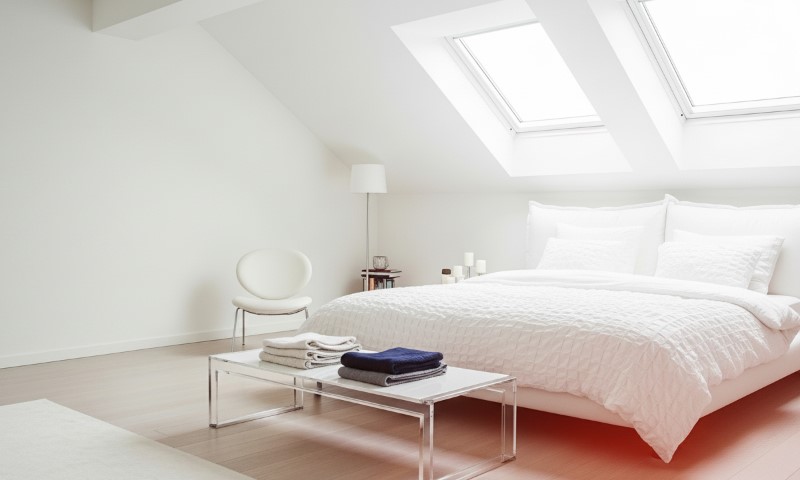
Natural light has a powerful effect on buyer perception. Bright interiors tend to feel larger, cleaner, and more welcoming as soon as someone walks in.
Light can change how buyers read a room, even before they focus on finishes or square footage.
Rooms filled with daylight often feel fresher and more uplifting, which makes it easier for buyers to picture daily life in that space.
Window placement, larger openings, and light-filled common areas all help create a stronger first impression.
Good light also helps interior colors read better and can make smaller rooms feel less confined.
In a 2025 sustainability report, 37% of respondents said windows, doors, and siding were green features clients considered very important.
That figure shows that buyers are paying attention to brightness, but also to window quality and related performance.
Homes with limited natural light can still improve buyer perception through mirrors, lighter finishes, skylights, and sheer window treatments.
Bright interiors create an immediate emotional response, and that response can shape how buyers feel about an entire home.
Energy Efficiency and Smart-Home Convenience Are Moving Up the List
A growing share of buyers now pay close attention to operating costs and daily control when judging a home.
Style still matters, but buyers are increasingly thinking about what a home will cost to run and how easy it will be to manage after move-in.
Energy-efficient upgrades help in more than one way. Lower utility costs matter, but comfort also matters. Better windows can improve indoor temperature control.
Several features continue to move up buyer wish lists because they combine savings, comfort, and control:
- Energy Star windows can improve insulation and help reduce heating and cooling loss.
- Energy Star appliances support lower energy use while giving kitchens and utility areas a more updated feel.
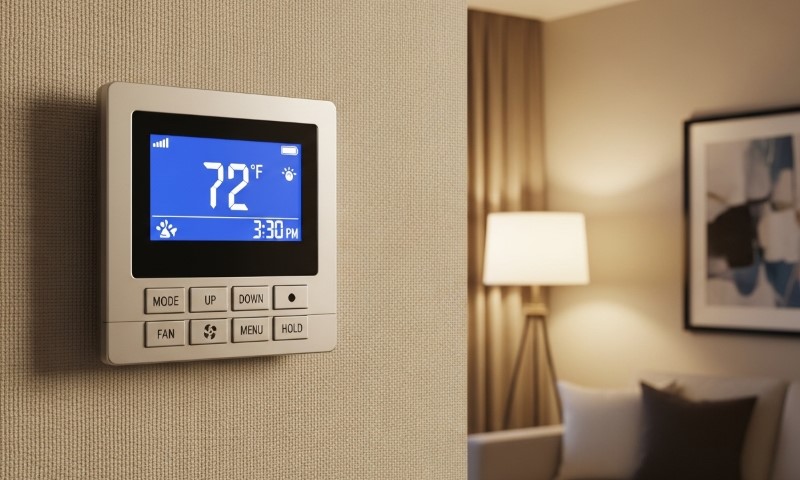
- Programmable thermostats make day-to-day temperature control easier.
- Multi-zone HVAC systems help households manage comfort in different rooms or levels.
- Energy management systems can give buyers a clearer view of usage and costs.
Smart-home convenience adds another layer of value. Buyers are often drawn to technology that makes a home easier to monitor and operate without adding complexity.
In fact, in the same sustainability report we mentioned earlier, the share of members saying clients never ask about energy upgrades fell to 29%, down sharply after sitting at 57% one year earlier.
Naturally, security cameras, wired security systems, and video doorbells help support that goal.
FAQs
Summary
Today’s buyers are not simply looking for the most impressive interior. More often, they want one that feels functional, comfortable, and easy to live in.
A practical kitchen, strong storage, flexible space, natural light, and efficient systems now carry the most weight.
Move-in ready means more than updated finishes.
Buyers want a home that already supports daily routines, comfort, and long-term livability.